
Bunions and hammertoes
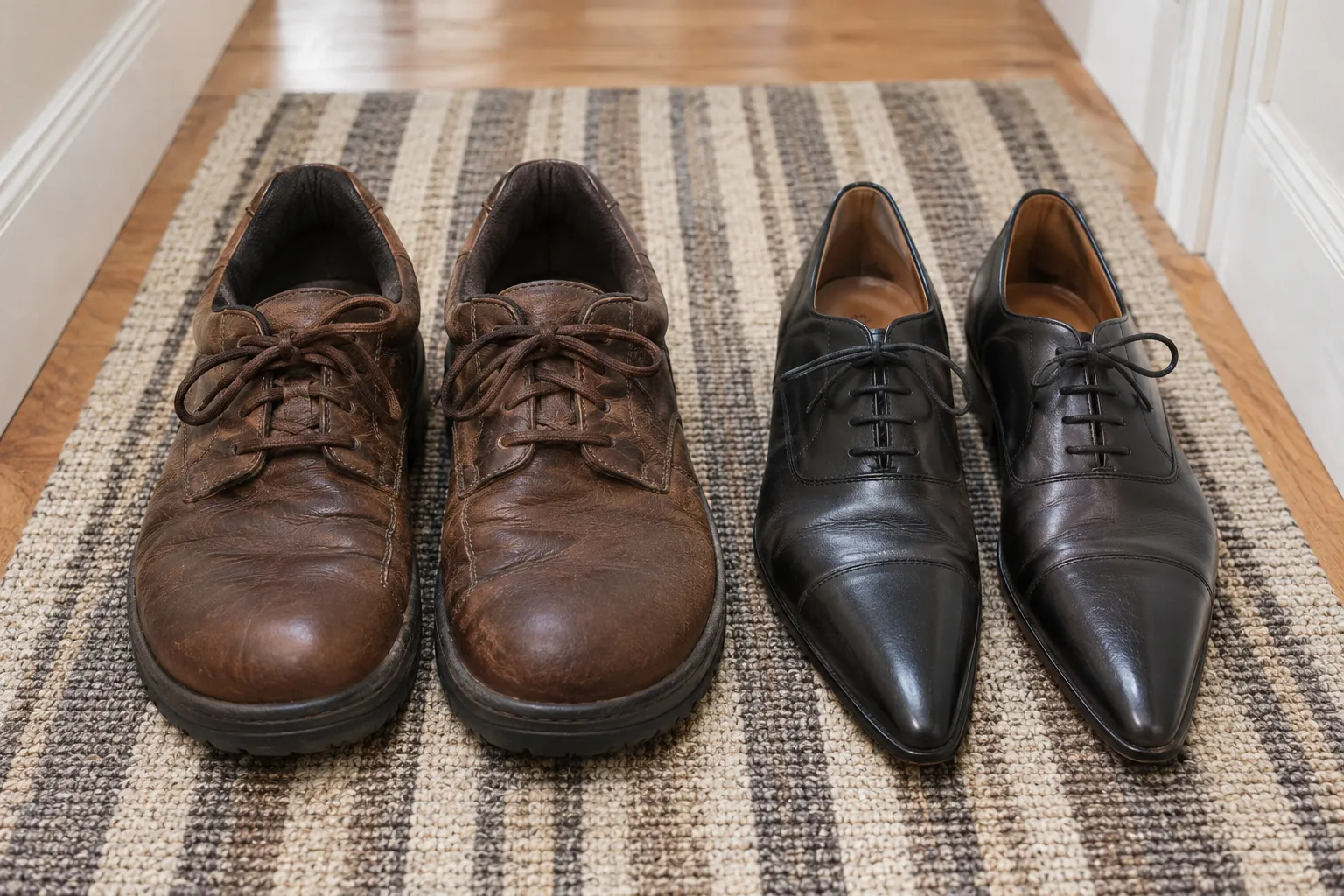
A bump at the side of the big toe, or a toe that has started to curl, is easy to treat as a shoe problem and nothing more. This page follows both from that first change. The four questions below run in the order a Woodridge reader would check them.
From a first bump to a pattern
The American Podiatric Medical Association states that abnormal functioning can lead to "pressure being exerted on and within the foot, often resulting in bone and joint deformities such as bunions and hammertoes." That is why the two are covered together here: they can start from the same pressure.
On the bunion side, begin with whether a bunion can go away without surgery. Then ask whether a bunion can form on the little toe. On that point, Cleveland Clinic writes: "Having a bunionette may increase your risk of other conditions that affect your toes".
The NHS page on Bunions and the MedlinePlus Medical Encyclopedia entry on Bunions give a plain description to read against your own foot. For readers who want the surgical side, the PubMed Central review of Minimally Invasive Bunion Surgery (MIBS) is where that discussion sits.
The toe that keeps curling
On the hammertoe side, the question is time. Why hammertoes get worse over time comes first, and whether toe pads and wider shoes help hammertoes is the practical follow-up. Cleveland Clinic's page on Hammertoes: What It Is, Causes, Relief & Treatment is a reference for both.
Readers in Woodridge who cross town to Downers Grove, Darien or Bolingbrook for care can bring the same two questions with them: how long the change has been there, and whether it has moved.